
Grow Your Own Food: A Beginner’s Guide to Edible Landscaping in Colorado
Updated: Jan 12
Imagine stepping into your yard and harvesting breakfast. Strawberries underfoot, herbs brushing your legs, and a dwarf apple tree casting dappled shade over greens and flowers. This is the essence of edible landscaping. In Denver’s sunny, high-altitude climate, it can be both beautiful and productive. With smart design and a little seasonal know-how, you can cultivate a resilient “food forest” that lowers grocery bills, supports pollinators, and transforms lawn care into something delicious.
At Living Landscapes, we design and install edible gardens tailored to your space and rhythm. From raised beds to layered food forests and annual planting plans, we customize every element to suit Denver’s seasons and soils. This way, you can enjoy abundance without guesswork.
What is Edible Landscaping?
Edible landscaping is the art of designing your yard with plants that are not only beautiful but also edible. You might also hear it called an edible landscape garden or edible landscaping design. It blends ornamental structure with food production, allowing fruiting shrubs, herbs, leafy greens, and perennial vegetables to coexist with native flowers and grasses.
We love creating food forests that mimic the layers of a natural woodland. Picture canopy trees like apples or pears, understory trees like serviceberry, shrubs such as currants and gooseberries, vines like hardy grapes, groundcovers like strawberries, and a lively herbaceous layer that nourishes both you and the soil. The result is lush, living architecture that looks good in every season and feeds your household.

Why Edible Landscaping is Worth It
Practical Abundance: Fresh herbs, salad greens, berries, and seasonal fruit reduce grocery runs and costs.
Food Security: You know where your food comes from, and you can preserve extras through freezing, drying, and canning.
Ecosystem Support: Pollinator habitats, bird food, and diverse roots that build soil health all thrive in edible systems.
Water-wise Beauty: Perennials and well-mulched beds hold moisture better than lawns. Thoughtful plant choices mean less watering and more resilience.
Joy and Connection: Gardening invites you outside. It turns tending into a calming daily ritual, and harvests into small celebrations.

The Principles Behind a Thriving Edible Landscape
Right Plant, Right Place: Match each plant to sun, wind, and soil conditions. In Denver, full-sun crops thrive with 6 to 8 hours of light and protection from hot afternoon winds.
Layering and Diversity: Combine trees, shrubs, vines, perennials, and groundcovers. Diversity reduces pests, increases pollination, and extends your harvest.
Soil First: Compost, organic mulches, and living roots create vibrant soil biology. Healthy soil grows nutrient-dense food.
Water Efficiency: Drip irrigation, mulch, and strategic grading keep moisture where your plants need it most.
Perennial Backbone: Mix long-lived edibles like berries, rhubarb, asparagus, and fruit trees with annual favorites. Perennials anchor the garden so you plant less and harvest more over time.
Beauty with Purpose: Choose forms, textures, and colors that make the space feel inviting. A garden you love is a garden you care for.

When to Plant a Vegetable Garden in Denver
Our growing season is shorter than you might expect, and spring can be sneaky with late frosts. Plan around Denver’s average last frost in early to mid-May and the first frost in late September to early October. Here are some simple guidelines:
Cool-season crops: Sow hardy greens, peas, radishes, onions, carrots, and kale in late March through April as soil thaws. Protect with low tunnels or row cover during cold snaps.
Warm-season crops: Plant tomatoes, peppers, cucumbers, squash, and beans after the last frost window, often mid-May through early June. Night temperatures above 50 degrees help these crops thrive.
Succession planting: Tuck in new rounds of lettuce, cilantro, and bush beans every 2 to 3 weeks to keep harvests rolling.
Fall crops: Start fall greens in late July through August. Use shade cloth during heat waves, then enjoy sweet flavors after the first light frosts.
Planting Strawberries and Bok Choy in Denver
Highlighting Perennial and Annual Production
Strawberries: Plant bare-root or potted plants in April through May once the soil is workable. Choose everbearing or day-neutral varieties for steady fruit, mulch well, and protect blossoms from late frosts with row cover. In year one, focus on strong roots and remove most runners.
Bok choy: Plant in two seasons. Early spring sowing in April for late spring harvest, and late summer sowing in August for fall harvest. Bok choy prefers cooler weather, consistent moisture, and a bit of afternoon shade during hot spells.

How We Design Your Edible Garden or Food Forest
Every project begins with a Site Assessment. We walk your property with you, listen to your goals, and read the land: sunlight, drainage, wind, soil, and how you want to live outdoors. From there, we craft a custom plan that places trees, beds, paths, and water features for flow and function. Your design includes plant palettes for a full year of beauty and harvests, plus options like trellises, raised beds, and drip irrigation.
When you are ready, our build team installs with care. We handle the details, from soil preparation to stonework and custom woodwork, ensuring your garden starts strong and looks incredible from day one. If you want to delve deeper into ecological practice and sacred design, our spiritual landscape services can enliven and harmonize the space on another level.
Raised Beds, Annual Plans, and Simple First Steps
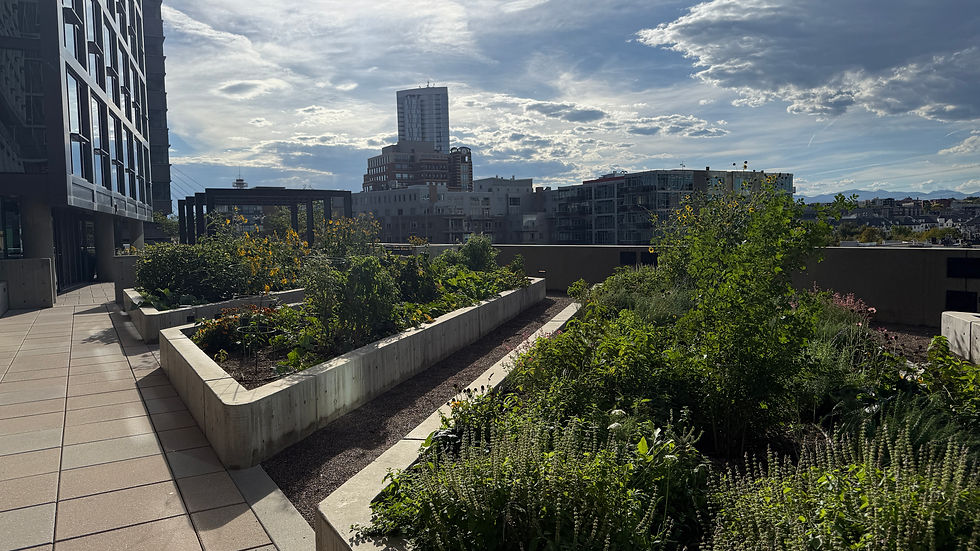
Raised beds are a fast path to success in Denver’s variable soils. They warm quickly, drain well, and make planting and harvest easy. Pair them with an annual planting plan, and you will always know what to start, when to transplant, and how to rotate crops for soil health.
Begin with these easy wins:
Start small: Two or three raised beds, one fruiting shrub, and an herb border can feed you well.
Choose resilient plants: Kale, chard, lettuce, green onions, snap peas, strawberries, currants, and rhubarb thrive in our climate with the right care.
Mulch deeply: Wood chips or straw conserve moisture and keep soil life thriving.
Add flowers: Calendula, borage, and native blooms attract pollinators and beneficial insects.
Protect smartly: Use row cover for late frosts and shade cloth during peak heat spells.
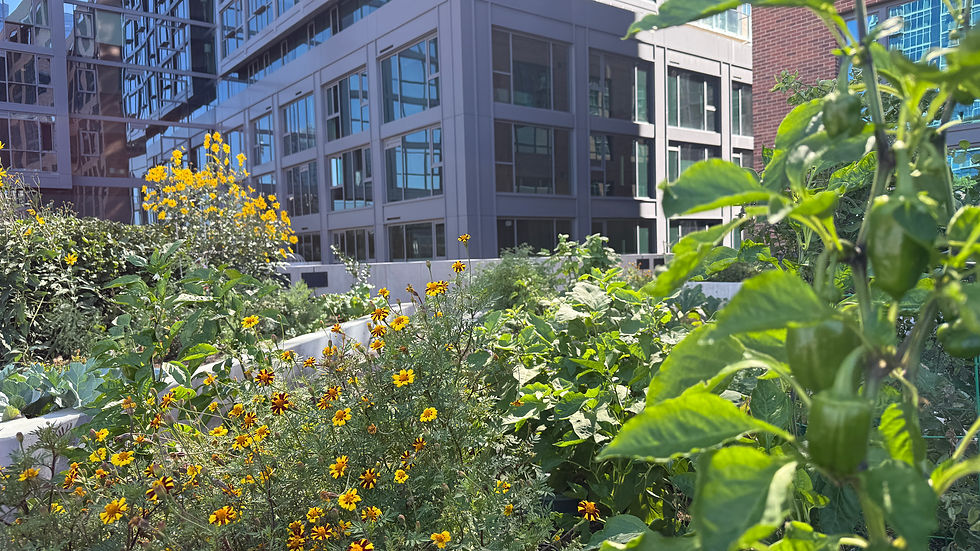
Beyond the Beds, Shape an Outdoor Room
Edible landscapes feel even better when paths, patios, and vertical elements guide movement and create places to gather. If you envision a garden that doubles as a sanctuary for slow mornings and dinner with friends, our team can integrate elegant hardscapes that harmonize with your planting plan. Explore how we approach Denver landscape design to see how food, beauty, and flow can come together.
Your Path to a Denver Food Forest
Ready to transform your lawn into a living pantry and pollinator haven? We offer support at every step:
Site Assessment and Design Proposal
Custom Design Package with Plant and Material Palettes
Installation, including raised beds, drip irrigation, and food forest layers
Optional 3D visuals and ongoing seasonal guidance
We love collaborating with clients who desire landscapes that nurture body and spirit. If you envision lush berries by the path, herbs near the kitchen door, and a small tree that glows with fruit in late summer, let’s create your edible landscape together.

Summary and Next Steps
Edible landscaping, sometimes simply called an edible landscape garden, turns your yard into a resilient ecosystem that feeds you. In Denver, plan cool-season crops in early spring, warm-season crops after the last frost in May, strawberries in April to May, and bok choy in spring and again in late summer. Anchor your space with perennial layers, care for your soil, and water wisely. When design, timing, and care align, your yard becomes an abundant, beautiful place to live.
If you are curious about what your property could grow, we would love to help. Learn more about our approach to sustainable and edible landscaping in Denver and how our team crafts edible gardens that feel artful, productive, and deeply alive.


Comments